Why the Cozy Typeface is Your New Secret Weapon
There is a specific kind of warmth that comes from a design that feels inviting yet confident. You see it on the cover of a favorite cookbook, the label of a small-batch coffee blend, or the header of a lifestyle blog that instantly feels like home. This visual comfort doesn't happen by accident; it’s built through intentional choices, especially in typography. Finding a font that balances approachability with presence can be challenging. You want something that feels friendly and human, but also bold enough to command attention in a crowded marketplace. That’s where a typeface like Cozy enters the conversation, offering a distinct personality that can transform a standard layout into something memorable.
A Typeface with Tangible Character
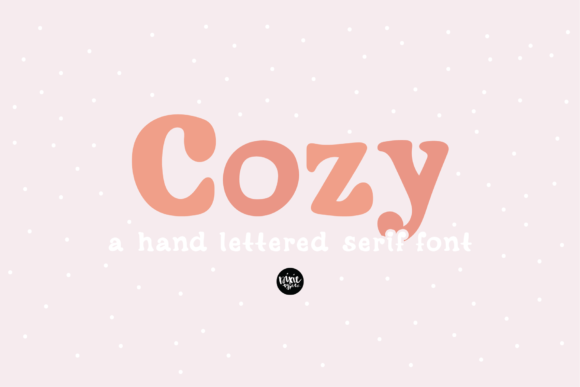
Cozy is a bold and chunky lettered display font designed to make a statement without shouting. Its visual appeal lies in its rounded, substantial forms. Each character carries a friendly weight, making it feel grounded and reliable. Unlike ultra-thin, minimalist fonts that can sometimes feel cold or overly clinical, this typeface has a tactile quality. It feels like something you could almost touch, which is a powerful psychological trigger in branding and design. The slightly condensed structure allows you to fit impactful headlines into tighter spaces, while the consistent, heavy strokes ensure maximum visibility whether it’s printed on a massive poster or viewed on a smartphone screen.
This style falls squarely into the category of a display font, meaning it is crafted specifically for headlines, titles, and short bursts of text rather than long-form body copy. Its personality is unmistakable, making it a fantastic tool for logo design and brand identity work where you need to convey a specific mood instantly. It bridges the gap between playful and professional, making it versatile enough for a variety of creative fields.
Practical Applications for Real Projects
Understanding the technical specs of a font is one thing; knowing how to apply it effectively is another. The true value of a creative font like Cozy lies in its versatility across different mediums. For small business owners and entrepreneurs, typography is often the silent ambassador of the brand. Here is how you can integrate this style into your work to create a cohesive and engaging visual experience.
Branding and Visual Identity
If you are building a brand from scratch, the typeface you choose sets the tone for everything else. Cozy works exceptionally well for brands that want to emphasize approachability and authenticity. Think about artisan bakeries, boutique pet groomers, eco-friendly product lines, or children’s education services. Using a premium font like this for your wordmark or primary logo ensures that your brand name is easy to read and hard to forget. It helps in establishing visual consistency across all touchpoints, from your website header to your email signature.
Packaging and Merchandise
In the world of packaging design, shelf appeal is everything. Consumers often make split-second decisions based on how a product looks from a distance. The chunky nature of this typeface ensures that product names pop against busy backgrounds or minimalist labels. It’s an excellent choice for merchandise like tote bags, t-shirts, or mugs because the bold strokes translate well to screen printing and embroidery, maintaining legibility even when the ink spreads slightly on fabric.
Digital Content and Marketing
For content creators and marketers, standing out in a fast-scrolling feed is the primary goal. Social media graphics require fonts that are instantly readable. Cozy can be used for Instagram stories, Pinterest pins, or YouTube thumbnails to grab attention quickly. Furthermore, in web design, it serves as a perfect counterpoint to a clean sans serif font. Using it for your H1 and H2 headers creates a strong visual hierarchy, guiding the reader’s eye down the page and improving overall readability by breaking up text blocks.
Strategic Typography: More Than Just Looks
While aesthetics are important, the strategic application of typography is what drives results. A font is a tool for communication, and choosing the right one involves understanding your audience and your goals.
Matching Font to Audience
Who are you trying to reach? If your audience is looking for comfort, creativity, or a down-to-earth vibe, a display font with soft, rounded edges is a smart choice. It subconsciously signals safety and friendliness. However, if you are designing for a high-end luxury law firm, this particular style might not be the right fit. The key to modern typography is context. Always ask yourself if the "voice" of the font matches the "voice" of your message.
The Art of Font Pairing
No font is an island. To achieve a professional presentation, you need to pair your display font with a complementary typeface for body text. Because Cozy is bold and character-heavy, it pairs best with simple, neutral fonts. A classic sans serif font like Open Sans, Roboto, or Lato provides a clean reading experience that doesn't compete for attention. Alternatively, a simple serif font can add a touch of traditional elegance to contrast the modern chunkiness of the display type. Avoid pairing it with a script font or handwritten font, as too many decorative styles can make a design look cluttered and difficult to read.
Testing and Refinement
Before finalizing any design, it is crucial to test your typography in different environments. A font that looks great on your high-resolution monitor might look different on a mobile device or when printed on textured paper. Check the kerning (the space between letters) to ensure the flow is natural. While design assets like Cozy are usually well-kerned out of the box, specific letter combinations in your logo might require manual adjustment for perfection.
Commercial Considerations and Final Thoughts
When selecting a commercial font, licensing is a critical factor that designers and business owners must not overlook. Free fonts found on the internet often come with murky licensing terms that can lead to legal headaches later. Investing in a legitimate premium font ensures you have the legal right to use the typeface for commercial purposes, whether it’s for a client project, a product you sell, or your own business branding. Always review the specific license details to understand if it covers web embedding, app usage, or merchandise sales.
Ultimately, typography is about connection. It’s about finding the right visual voice to speak to your audience. By incorporating a bold, friendly, and versatile option like Cozy into your toolkit, you give yourself the ability to create designs that feel warm, inviting, and unmistakably professional. Whether you are refreshing a blog, designing a new poster, or laying out an editorial magazine, this font offers a reliable way to make your creative ideas stand out.